
“I didn’t even start BMX until I was 40.”
That’s not how most journeys to a World Championship begin. For Mike Whittaker, Project Surveyor in Salus’ Manchester office, it’s exactly where his did.
Mike’s day job is grounded, precise and built around responsibility. He works across commercial projects—reviewing plans, checking compliance with building regulations, and carrying out site inspections.
“I look at all kinds of commercial buildings,” he says. “From plan checks through to being out on site. I specialise quite a bit in commercial fit-outs—dental surgeries in particular.”
It’s work that demands attention to detail and a clear understanding of standards—something that drew him to Salus in the first place.
“I wanted to be somewhere that was doing things properly. That was the big thing for me. Salus just felt different—it’s been a breath of fresh air.”
That support extends beyond the day job too—something that’s made a real difference as Mike’s BMX journey has developed.
Something that started on the sidelines
BMX wasn’t part of Mike’s long-term plan. Like a lot of things, it started by accident.
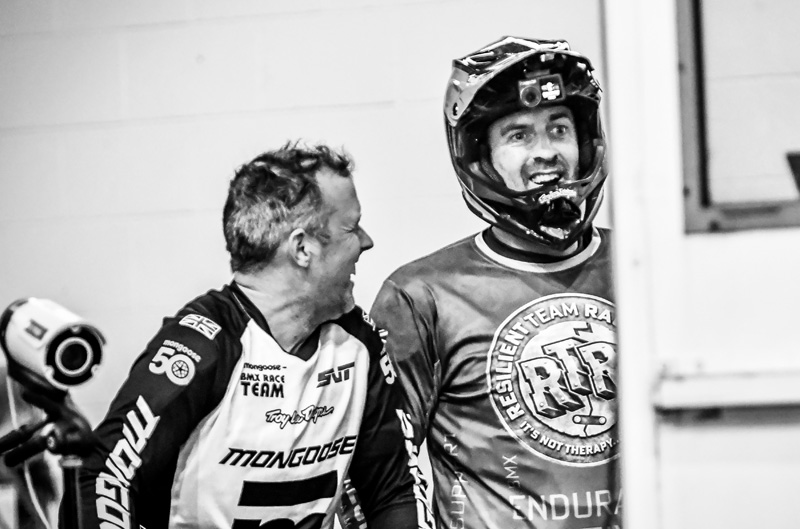
“My lad got into it first. I was just there, helping out at the club, doing bits of track maintenance, getting involved where I could.”
Then came the inevitable next step.
“You end up riding with some of the other dads… and then you start racing.”
At first, it was local—club-level events, low-key, community-driven. But it didn’t stay that way for long.
“I just got hooked.”
The moment that could have ended it
In July 2024, that momentum came to a sudden stop.
“I went off a jump and fractured my T12 vertebra.”
It’s the kind of injury that would make most people step back, reassess—and probably walk away.
“That was the moment,” Mike says. “Do I stop… or do I actually go for this?”
He chose to go for it.
“I decided I was going to take it seriously—regional races, national races, just see how far I could push it.”
It was never really about the racing
Ask Mike what keeps him doing it, and it’s not the results.
It’s the people.
“The best part isn’t the racing,” he says. “It’s the community.”
From volunteering at local tracks to racing across the UK, what stands out isn’t just the competition—it’s the environment around it.
“There’s a real sense of camaraderie. You’re competing, but you’re also supporting each other. You don’t leave the finish line until everyone’s crossed it.”
That sense of community goes far beyond race day.
Mike shares one story that captures it better than anything else.
“One of the young lads lost his dad last year while we were at a race. Without support, he might have had to leave the sport altogether.”
So the community stepped in.
“A group of us got together, raised money, made sure he had a bike, covered his race fees—just made sure he could keep going.”
For Mike, that’s what it’s really about.
“That’s probably the most rewarding thing I’ve done in years.”
The work behind it
None of this happens without commitment.
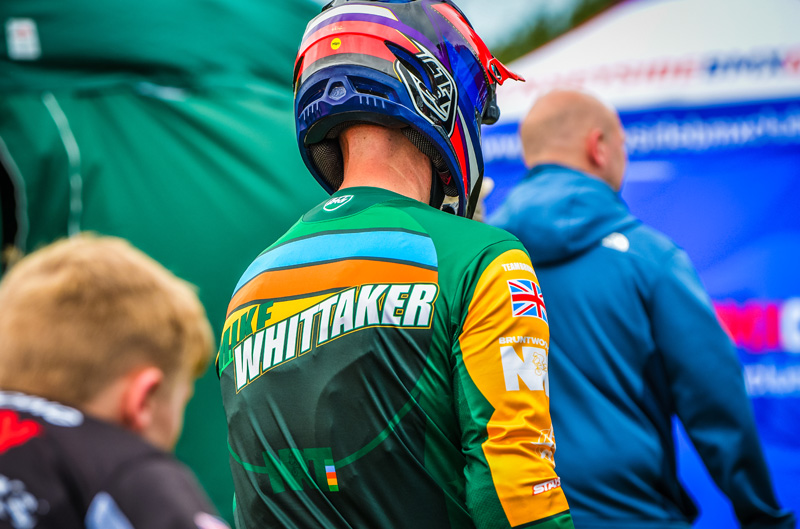
Mike’s week is built around discipline:
- Early morning gym sessions—often starting at 6am
- Track sessions multiple evenings a week
- Weekend riding and race preparation
“It’s a sprint sport—about 400 metres—but you need strength, speed, technique. You’ve got to train all of it.”
Balancing that with a full-time role isn’t easy—but it’s something he’s embraced.
“You just make it work.”
From local tracks to the world stage
That commitment has paid off.
Over the past year, Mike has competed across the UK, racing at both regional and national level.
- 3rd in the North Regional Series
- 7th in the UK National Series
“For me, finishing 7th was everything,” he says. “That was as good as I could be against that level of competition.”
That result secured him a place at the UCI BMX World Championships in Australia, competing in the 40–44 Cruiser category.
Salus is proud to be supporting Mike on that journey—helping him get to Australia as he takes on the world stage.
Even now, it hasn’t quite sunk in.
“If you’d told me 10 years ago I’d be going to a World Championships, I’d have laughed. And now… it still doesn’t feel real.”
Riding smarter, thinking longer-term
With the World Championships approaching, Mike’s mindset has shifted.
“This year, it’s about getting there in one piece,” he says. “Last year I raced through injuries—including a broken hand. I don’t want to be doing that going into something like this.”
It’s a more measured approach—focusing on preparation rather than pushing for every possible result.
“I’m still racing, still training, but I’m a bit smarter with it now.”
More than just a result
For Mike, the World Championships isn’t the end goal—it’s part of a bigger picture.
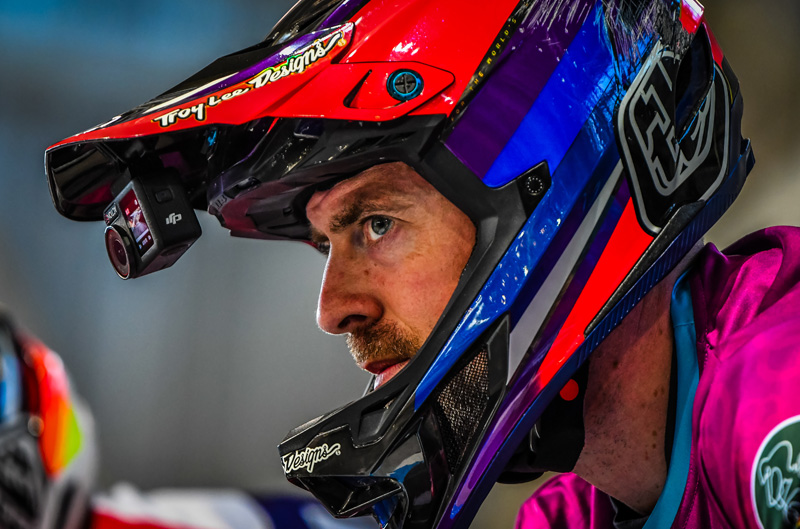
“It doesn’t really matter where you finish,” he says. “Most people won’t even step onto a track like that. Just being there, you’ve already achieved something.”
That perspective—grounded, honest, and focused on the bigger picture—feels familiar.
It’s about doing things properly. Supporting the people around you. Taking pride in the work, whatever the setting.
Looking ahead
This July, Mike will line up against riders from across the world in Australia.
But the story doesn’t really start there—and it doesn’t end there either.
Because for him, the real value has never just been the race.
It’s everything around it.